
The night began when the Norns bestowed a prophecy upon the noble king, Hrothgar, protector of the Danes, and the young champion, Beowulf the Brave. They foresaw epic victories and monster slaying for the hero and future king Beowulf—fame and glory—vengeance and plunder. And they spoke of his death day and the doom of his people.

In those days of yore, Hrothgar ruled the wide realm of Denmark, and heaped glory and treasure upon himself and his people, after settling the civil war in Denmark. He boasted that he would build a great mead-hall—the biggest and best, golden and horn-gabled—where his warriors could feast and celebrate in honor of their great king.

So Hrothgar fulfilled his boast, lifted high the gilded hall of Heorot, renown for its splendor and revelry. The sweet sound of the harp burst forth from the hall and was carried across the lands—through swamps and glens—and those within rejoiced in wonder at the glory of Heorot and good king Hrothgar. There sat his gracious wife, Wealhtheow, and his noble nephew, Hrothulf, amongst his mighty troupe of warriors.
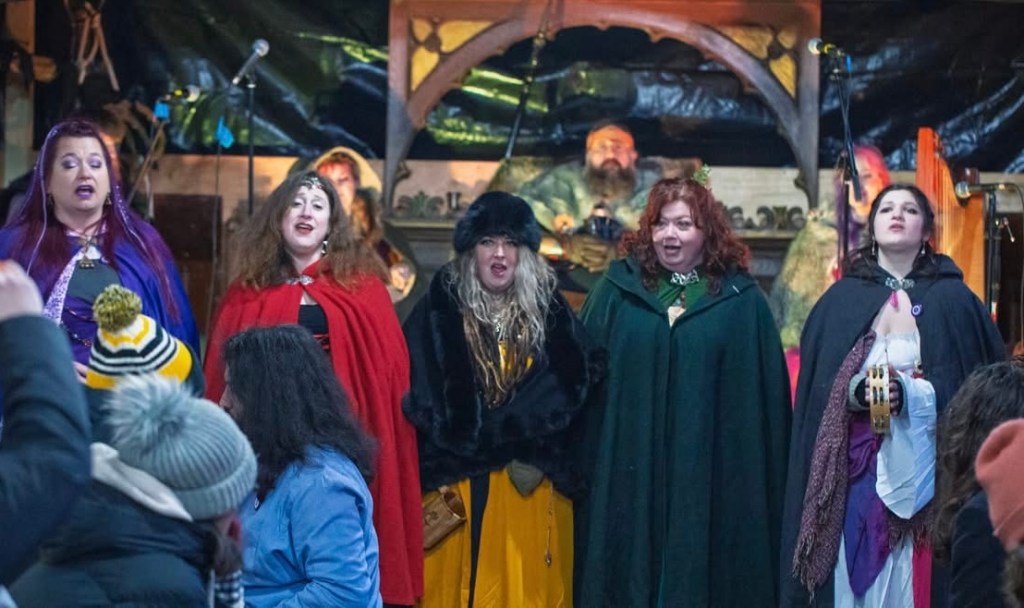
Then a brave spirit—a marked-wanderer—heard the song and his mind turned to gluttonous murder. He came from the dark night, the shadow-walker stalked his prey, out from the misty moors and up to the horned hall. When he arrived, Grendel tore open the mouth of high Heorot and feasted on the Danish warriors, all the noble champions fell to the monster’s might, and were carried back to his wondrous den, deep in the marshlands.

Sorrow came to Heorot, for Grendel ruled each night, and for twelve long winters he haunted the hall. At the queen’s request, Hrothgar sent for a hero, the king sought one strong enough to end Grendel’s reign of terror in Denmark. The monster’s fame grew—spread across the sea—to Geatland, where an eager, young champion heard tales of the fearsome marauder, and decided to seek his glory in the slaying of Grendel.
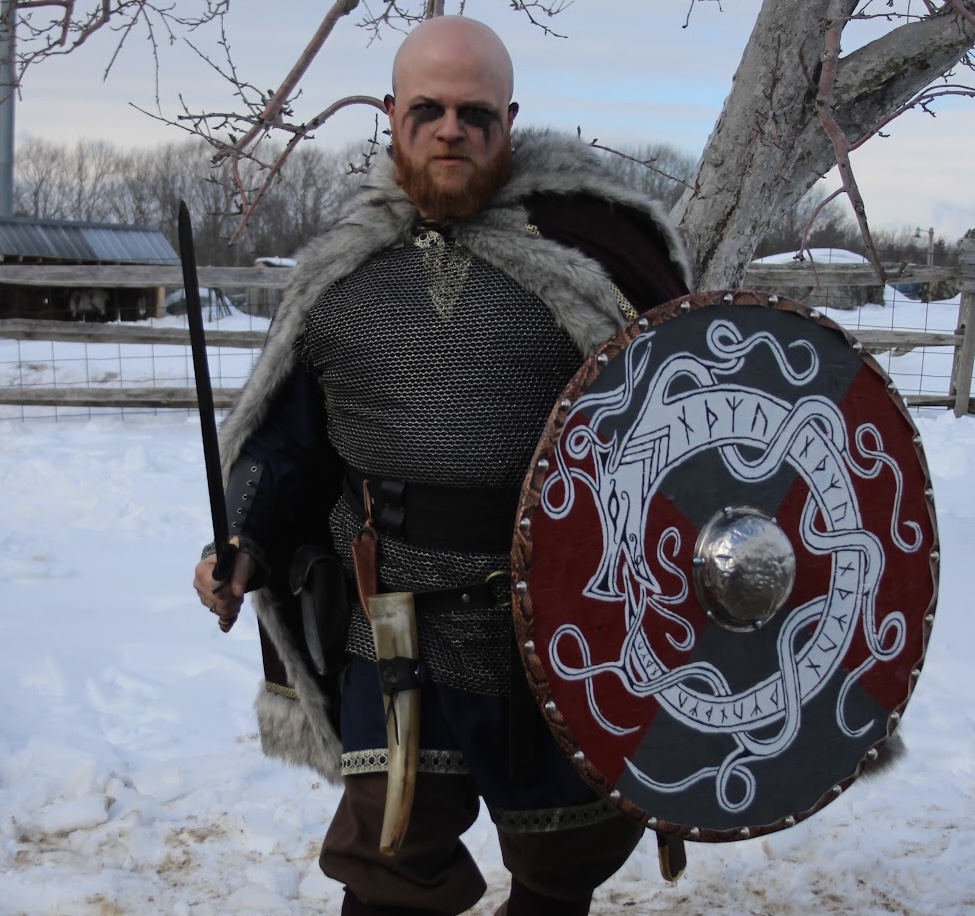
So Beowulf journeyed to Denmark, intent to earn fame from the renowned monster. He brought with him a troupe of warriors, and came upon Heorot. He was met by Wulfgar, before offered audience before King Hrothgar. Beowulf boasted that he would slay the giant—Grendel—the terrible troll, if the fiend dare enter the golden mead-hall this night.

When Grendel attacked that night, he met his match—got caught in the handgrip of another giant—the mighty hero, Beowulf. The handshake was toxic to the monster, and Grendel’s lust turned to terror as he strove only to escape the hall and run home to his mommy. So strong was the handfast of the hero, and so formidable the footspeed of Grendel, that the monster tore its own arm off in its retreat before trudging home to the fay mere where he and his mother dwell.
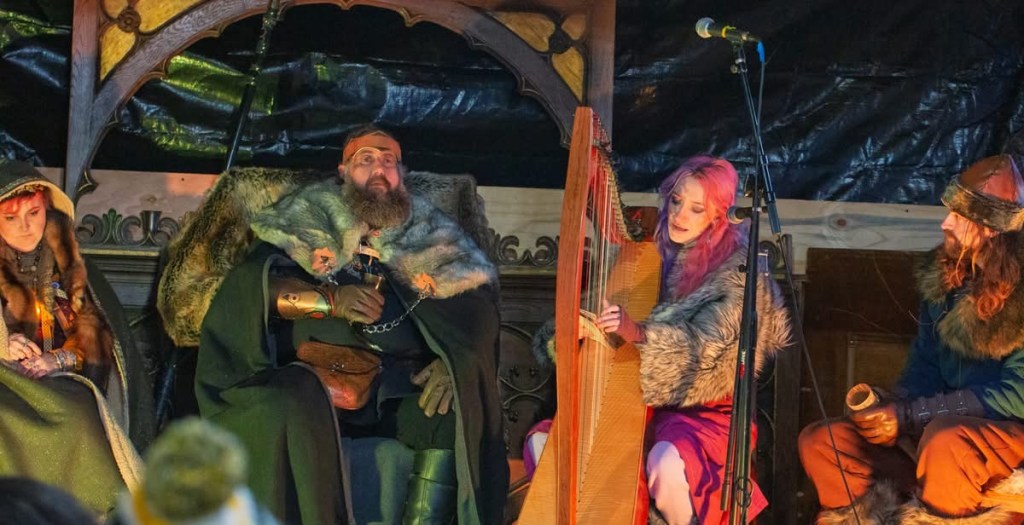
Grendel’s arm was hung high in the hall, Beowulf’s trophy, a wonder for all who came then to Heorot to marvel over. Beowulf was victorious—the monster vanquished—and songs in celebrations rang out through the hall once more, the sad tale of lady Hildeburh and the feud that consumed both Frisians and Danes despite kinship bonds.

While Beowulf and his men slept in better beds, an avenger attacked the hall, a lady—warrior woman—Grendel’s mother who had come to avenge the death of her son, her only heir and kinsman. She moved with grace through the hall, reclaimed her son’s severed arm, and weeped. Then she rose and cut the throat from one of Hrothgar’s thanes, Æschere, a veteran and shoulder-companion to the king, before she carried his head back to her lair in the haunted lake.
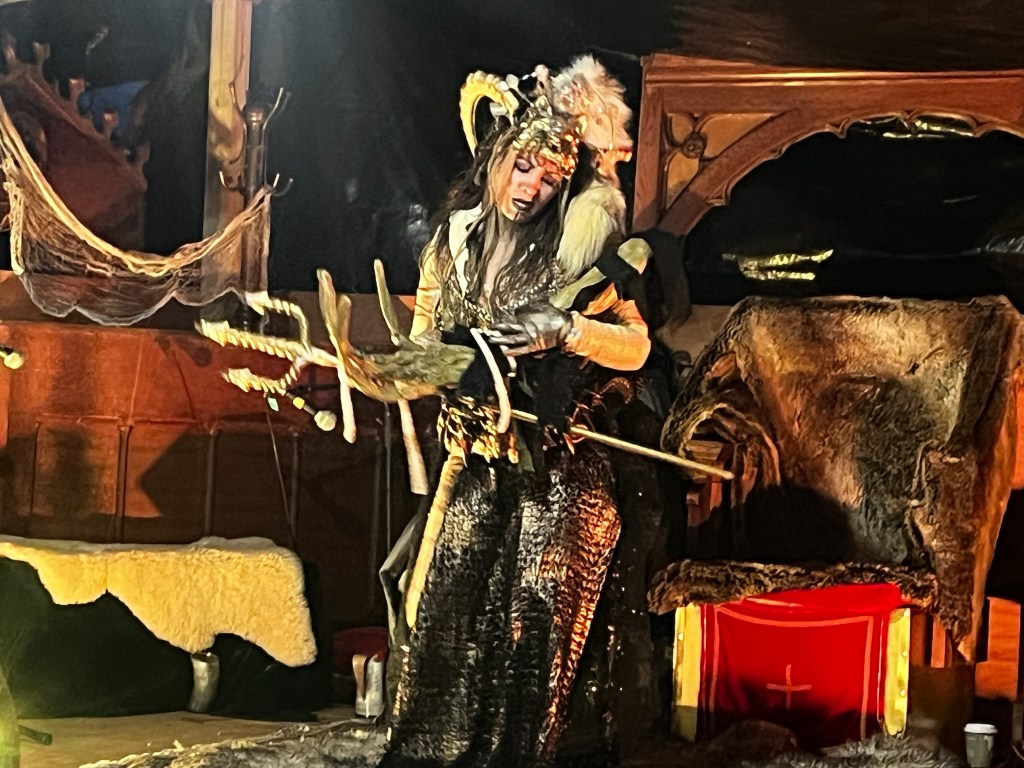
When Hrothgar entered Heorot and saw the blood coating his golden hall, the king wept for the loss of his dear friend and comrade in arms. But Beowulf consoled the king, reminded him of revenge, and swore to repay the vengeance the monstrous mother wreaked at the loss of her only child. Beowulf vowed to seek her out and kill her in her lair with the sword loaned by Hunferth, the notorious counselor of the king. The hero meant to cut short the line of the Grendelkin.
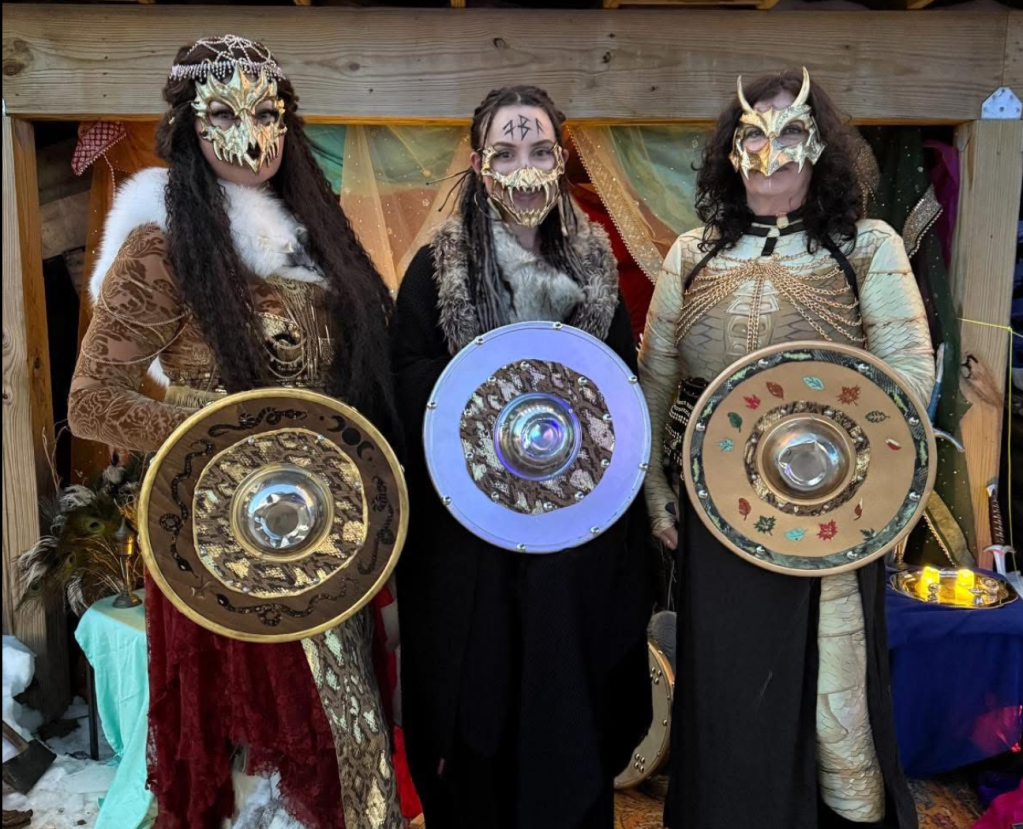
Beowulf, the with Danes and Geats, journeyed to the fay mere, where Grendel’s mother mourned over her son, mortally wounded at the bottom of the lake, in their monstrous treasure-hall. The hero cut through the sea-serpents and nicoras inhabiting the wicked waters, and saved by both his magic armor and a marvelous sword of giants, Beowulf triumphantly beheaded both Grendel and his mother before returning victorious to Heorot.

Beowulf sailed then back to Geatland, loaded with treasure including the famous Brosning necklace of Queen Wealhtheow with many precious gems and wondrous heirlooms. When Beowulf arrived home he quickly ascended the throne, took Queen Hygd as his wife, with his uncle and cousin doomed by the feuding spears of the Frisians and the Swedes.
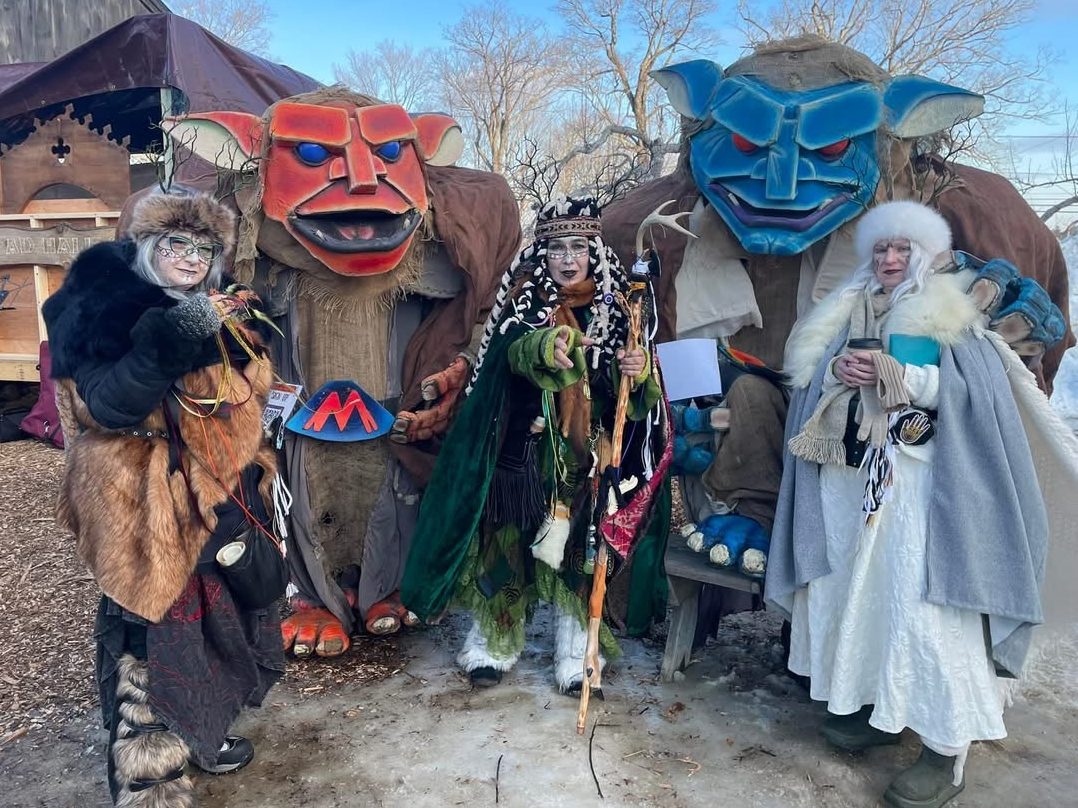
King Beowulf ruled for fifty winters, while night witches lurked in the woodlands, trolls roamed the northern hills and dragons slumbered on hoards of ancient treasure. Gryla and her Yule Lads stalked the farmlands collecting children, as Baba Yaga and Befana plotted a witches’ sabbath.

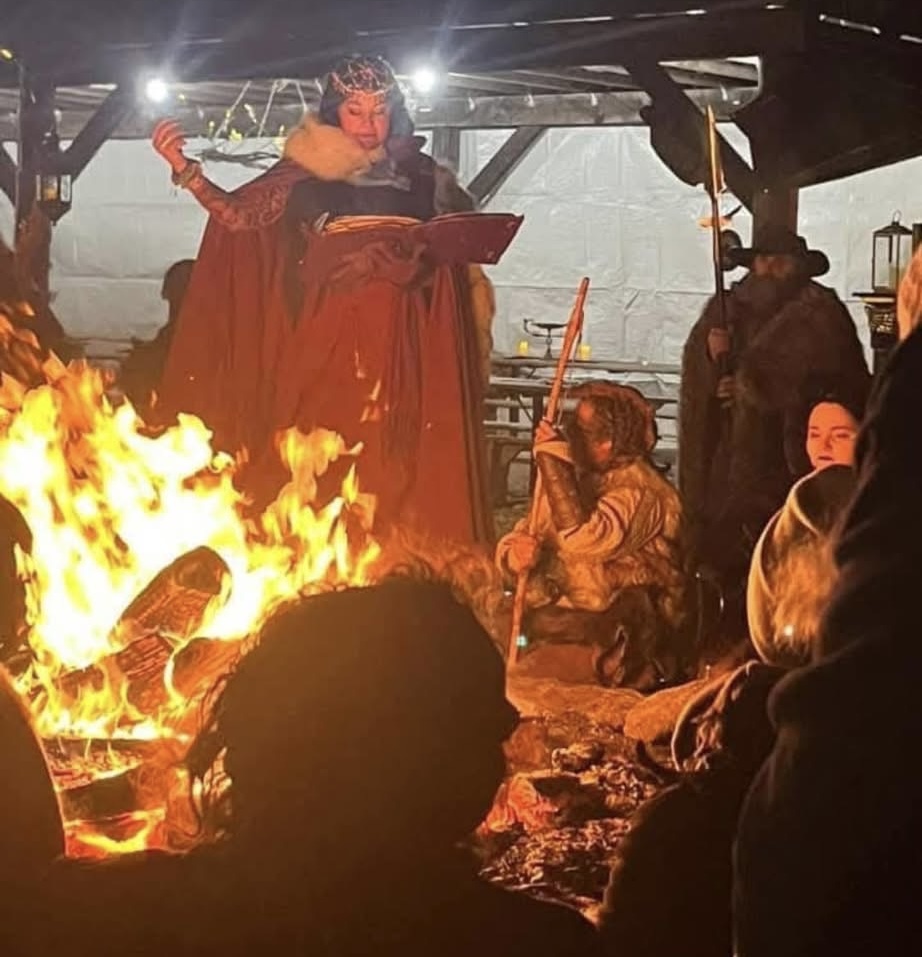
The crones gathered also the wicked queens, first the Snow Queen and her frost fairy court, then Morrigan and Queen Grimhild, recruiting their sisterhood for the grand ceremony. Even Medea, witch of the South, was called to the ritual, as the moon hung low in the sky and the stars climbed high above the roaring fire.

A dragon was roused—a daring thief stole his cup, glittered with arkenstones—which was brought then to King Beowulf, while the Great Wyrm torched the countryside, burnning the village, hall and throne of the Geats. King Beowulf swore an oath to slay the beast, and defeat the dragon alone as he once did against the Grendelkin in Denmark.

Old King Beowulf went then to the barrow where the dragon slept on its treasure, called out the fire-breathing terror. The Great Wyrm flew out, encircled Beowulf in flame, melted his iron shield and forced the hero to fall back. Beowulf broke his sword on dragon scales before the monster’s fangs pierced the king’s neck, and sending venom flowing through his royal veins.
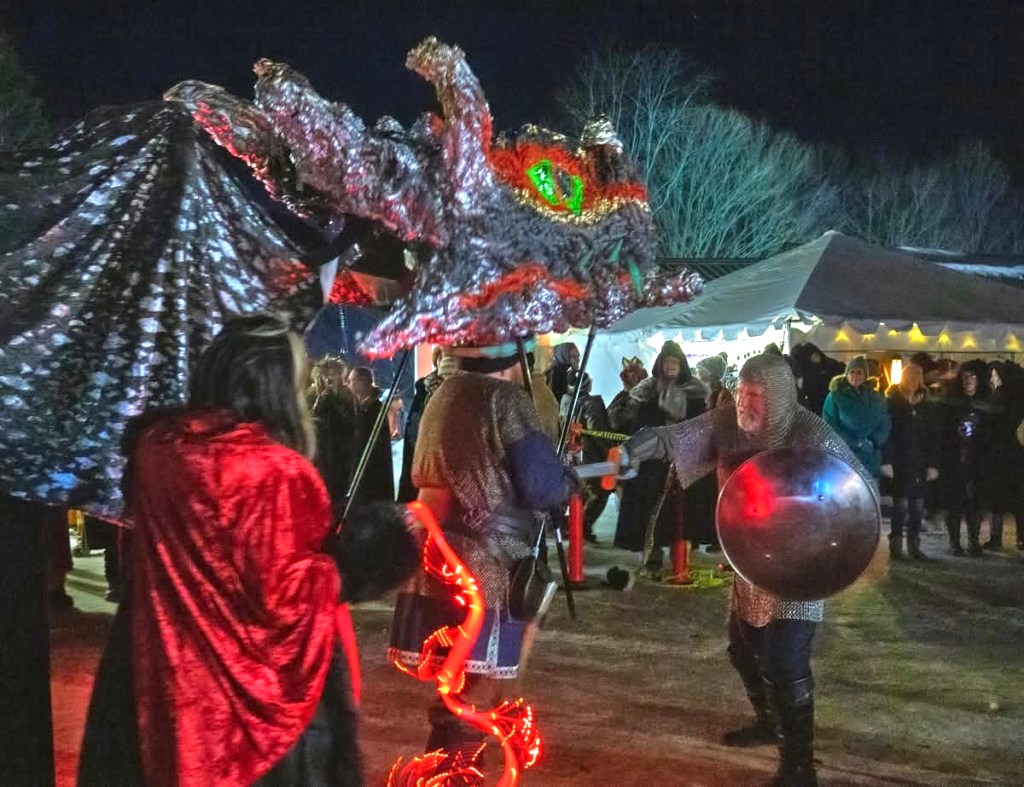
Wiglaf, Beowulf’s last cousin, came to his lord’s aid in his desperate time of need. He hewed at the earth dragon—his wooden shield turned to ash in his burned hand—but still, he stabbed the beast with his blade. It was not enough to deeply wound but it enough to distract the monster, and when the serpent struck at Wiglaf, Beowulf cut the worm in the middle and split him open. Together they slew the fell beast.

Beowulf then begged for the gold—the treasure he traded his life for—his final dying wish. Wiglaf brought forth gilded swords and carved stones, and Beowulf relinquished his spirit to Freya, who claimed him as her own, so that he would serve her in battle forevermore. The old gods watched the funeral pyre as Beowulf’s smoke was swallowed by the sky.

It was time then for the Imbolc sabbath, the night witches were ready. They invoked the Norse gods—Odin, Freya, Thor, Sif, Tyr, Bjorn, Loki and Heimdall—but also the Celtic goddess Brigid and the Greek goddess Hecate. A spell was cast and a bewitchment brewed in a great cauldron as some strove to preserve the winter frost and snow while others sought to welcome the new year and the warming winds of spring.
 FaeGuild Wonders