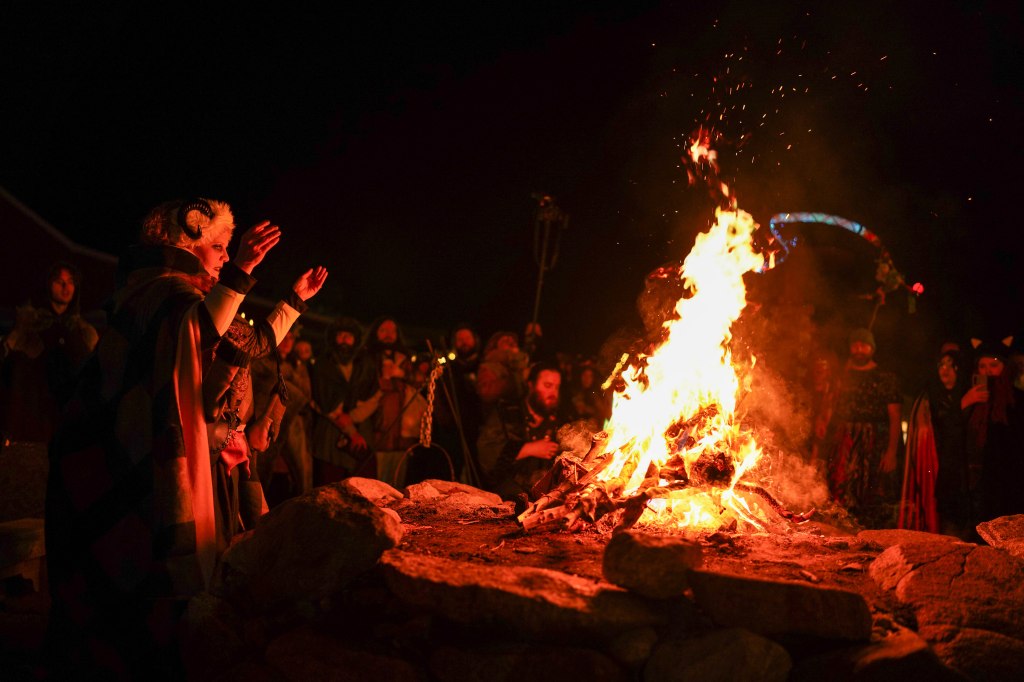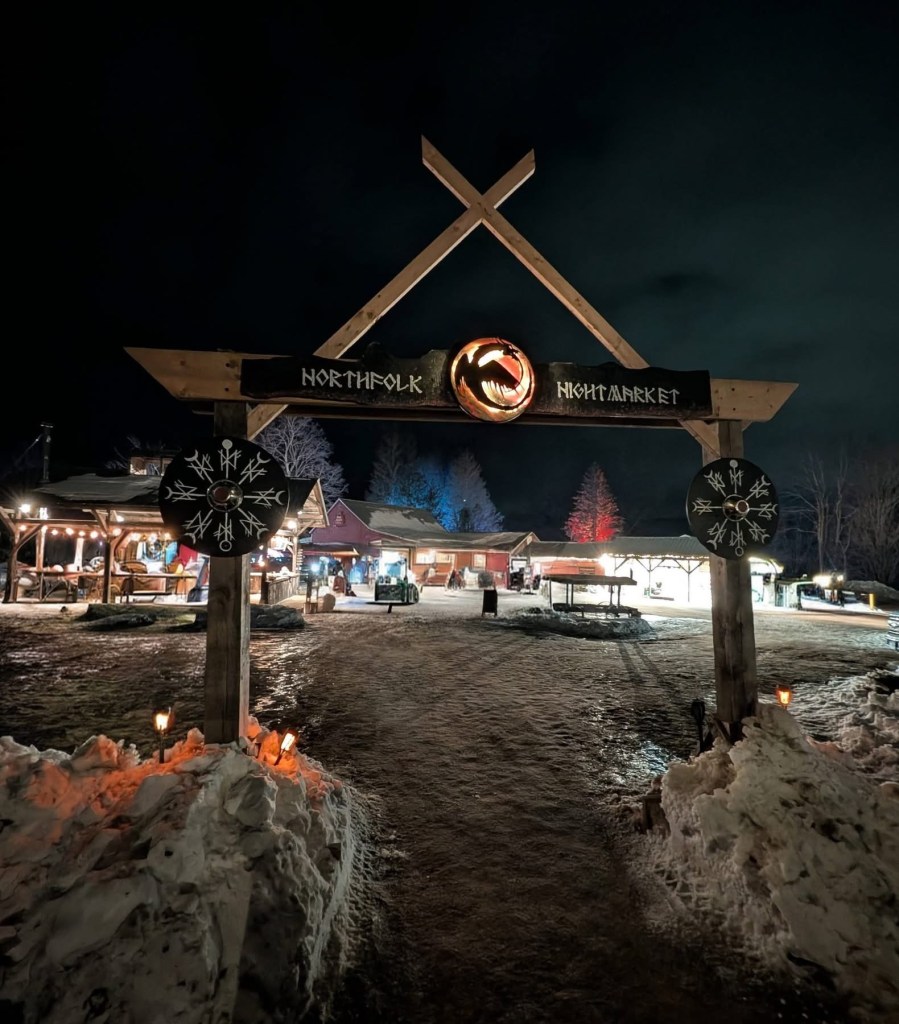
The night slithered over the snow while the Norns again proclaimed their ancient prophecy upon the mighty king, Hrothgar, shield of the Danes, and his noble champion, Beowulf the Brave.
They forewarned that although his epic conquests as hero of the Danes and Geats would lead to his ultimate kingship, Beowulf would fall to the very objects of his affection—his burning lust for fame and glory, his dire need for vengeance and later his unyielding desire for plunder. The bewitching Norns told of Beowulf’s death day and the terrible fate awaiting his people.
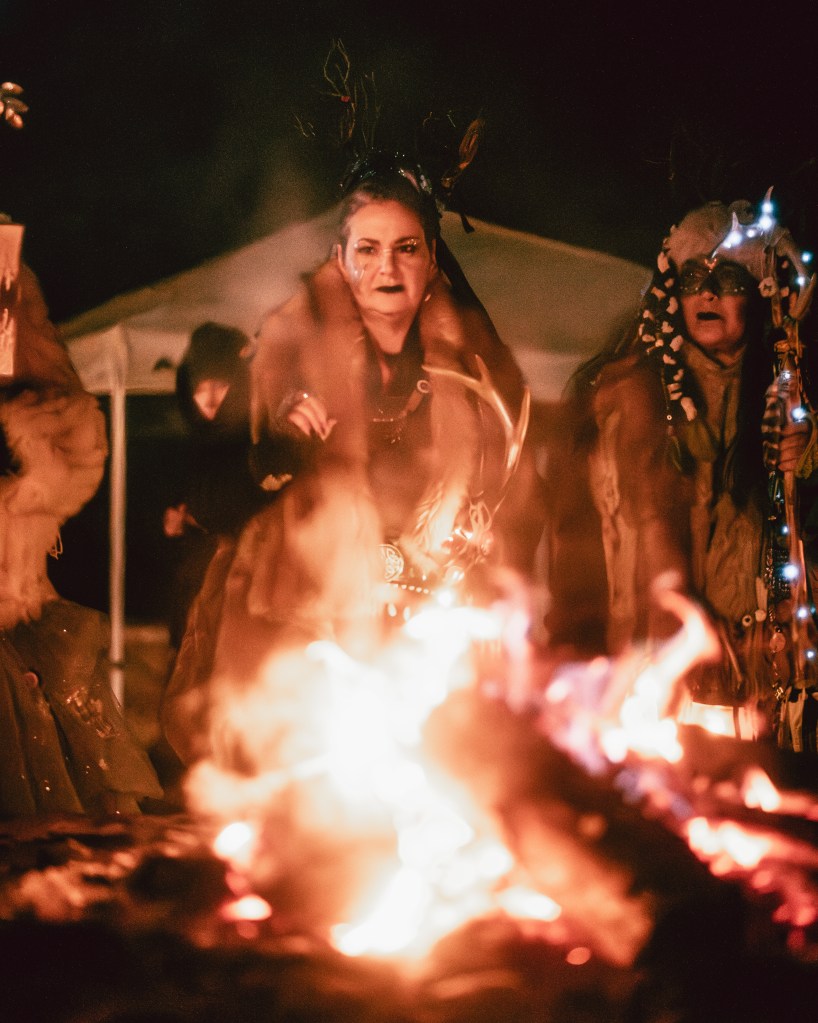
Warriors gathered in their masses
Just like witches at black masses
Evil minds that plot destruction
Sorcerers of death’s construction
We have heard how princes, in days of yore, performed valor! Hrothgar held reign over the kingdom of Denmark, and the king earned fame and riches and bestowed them also upon his loyal thanes and kinsen. After the civil war in Denmark, Hrothgar swore that he would constructed the greatest of mead-halls—the best and biggest, gilded and horn-gabled—where his bold troops could feast and celebrate the many victories of their great king.
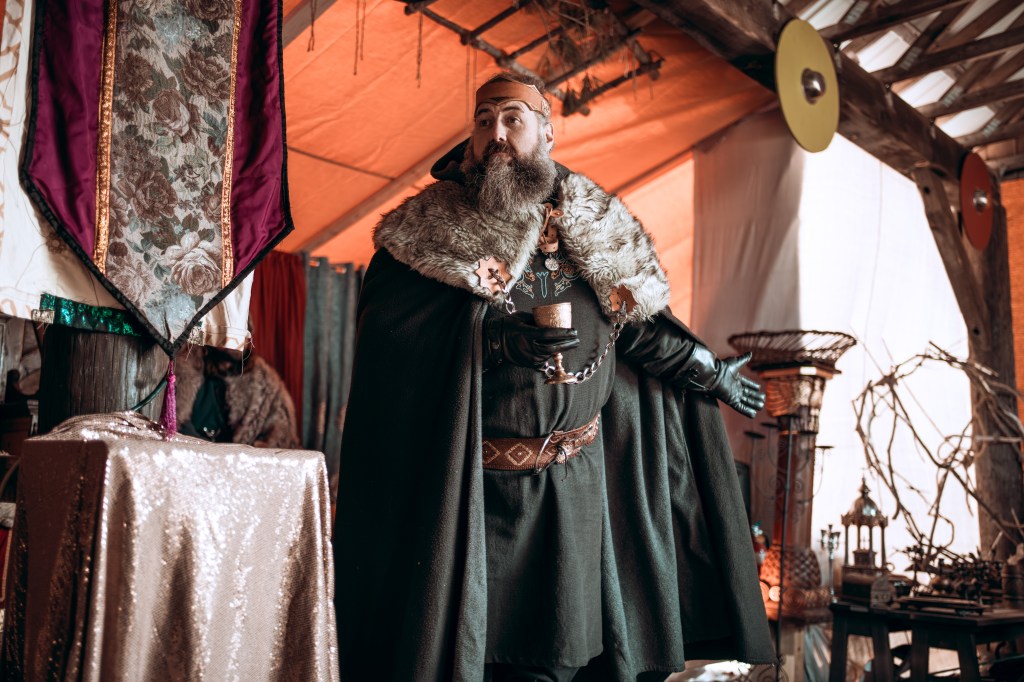
In the fields, the bodies burning
As the war machine keeps turning
Death and hatred to mankind
Poisoning their brainwashed minds
Hrothgar upheld his oath, heaved high the golden hall, Heorot, known far and wide for the wonders and pleasures within. The music of the harp rang out from the meadhall and lifted itself over the lands—through misty marshes and wooded groves—and those within sang in celebration at the triumph of Heorot’s creation and its creator, that good king, Hrothgar. Wealhtheow bore forth the mead cup and served the soldiers, Hrothgar’s his mighty throng of thanes.
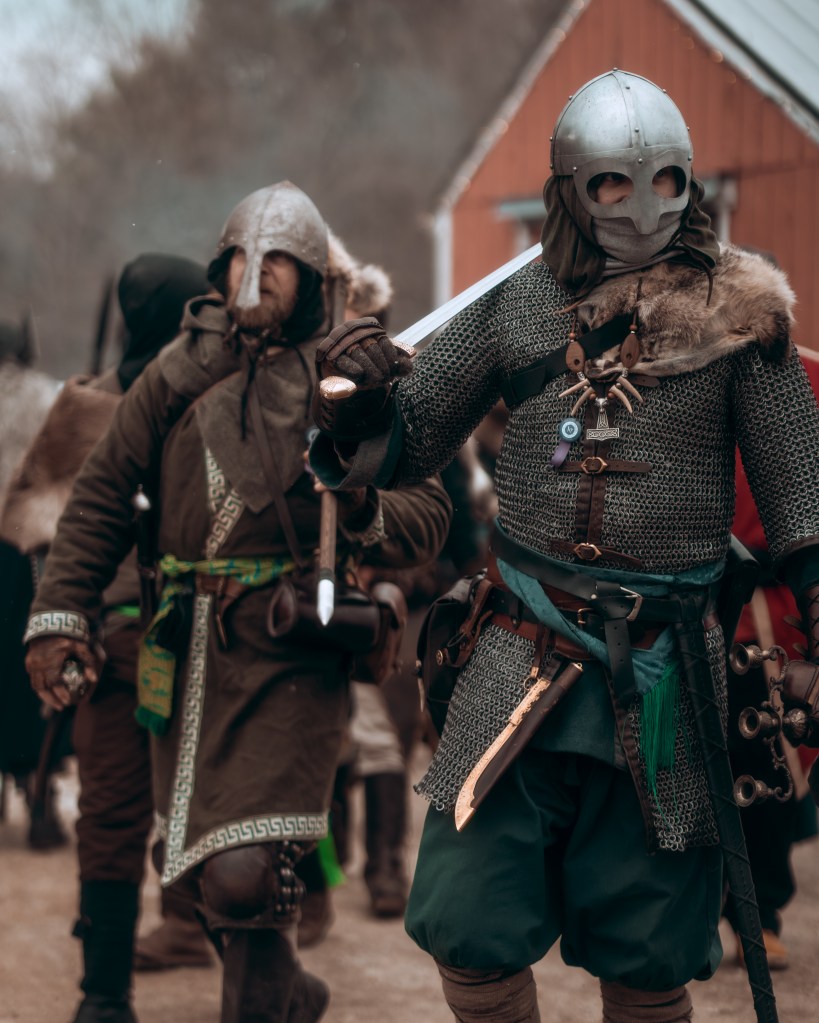
Then a bold guest—a grim, ungainly, ghastly, gaunt and ominous specter—heard the piercing melody from the meadhall and his mood darkened into murderous rage. He came from the dark night, the shadow-walker slithered, from the misty moors it crept and up to the horned hall of Heorot. When Grendel arrived, he ripped open the mouth of the meadhall Heorot, and glutted himself on the sleeping Danes, all the courageous warrior devoured by the mouthbane or borne back to his murky lair, located somewhere beneath the craggy swamplands.
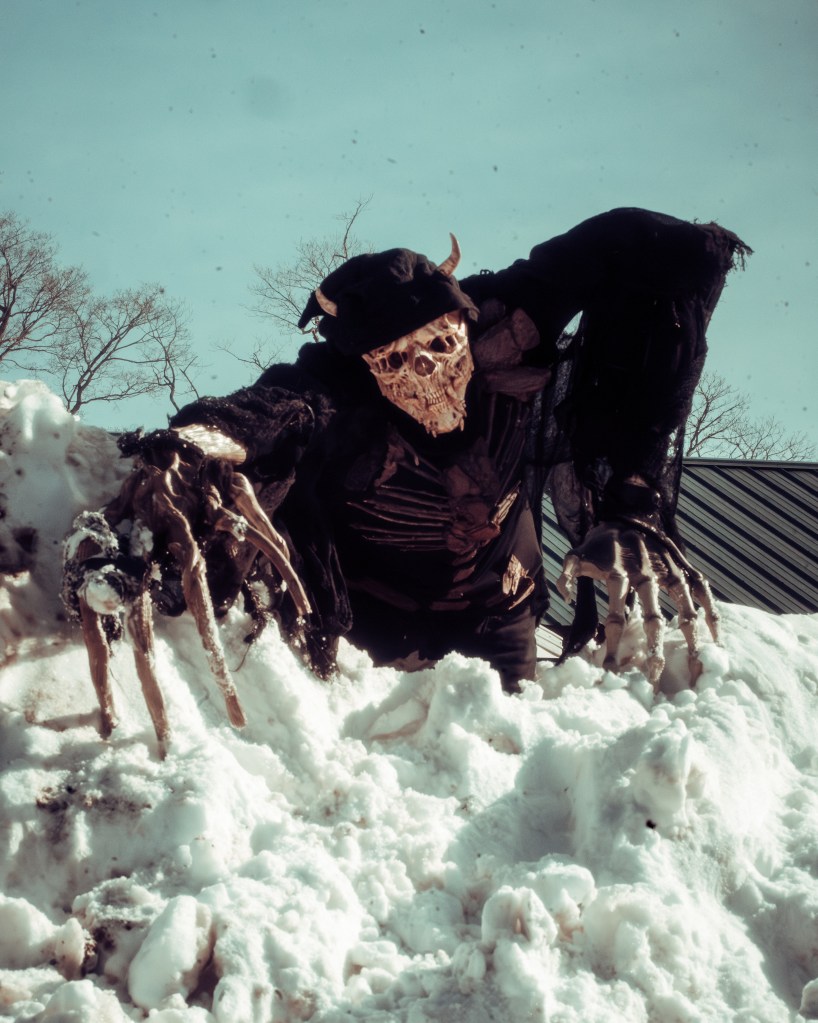
Sorrow consumed Heorot as Grendel haunted the meadhall every the night for twelve long winters. At Wealhtheow’s request, her king sent for a champion, Hrothgar declared he would bestow untold wealth up whoever was able to bring Grendel’s reign of terror in Denmark to an end. Stories of the nightmare had spread, and Grendel’s glory had grown—stretched over the ocean—to Geatland, where young Beowulf, yearning to become a renowned hero, learned of the awesome adversary, and resolved to earn his fame in the slaughter of the infamous Grendel.
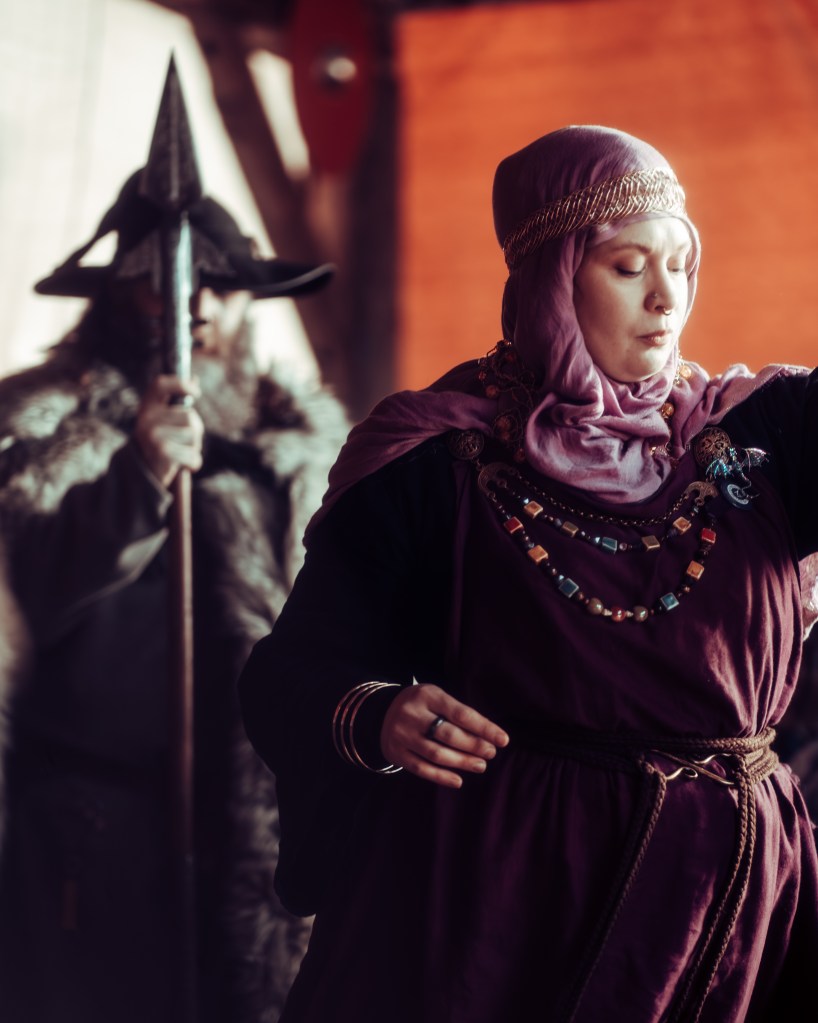
Bold Beowulf sailed then to Denmark, aiming to gain glory by becoming a famous monster-slayer. Beowulf enlisted a troop of warriors who traveled also to Heorot, where they were greeted by Wulfgar, before allowed entrance into the meadhall and an audience with the king. At first, Hunferth doubted Beowulf’s courage while Beowulf named the king’s counselor a kinslayer and a drunken coward. Then Beowulf vowed that he would do what Hunferth and the Danes would not: kill that troll and end his night terrors, if Grendel chose to return that night to horn-gabled Heorot.
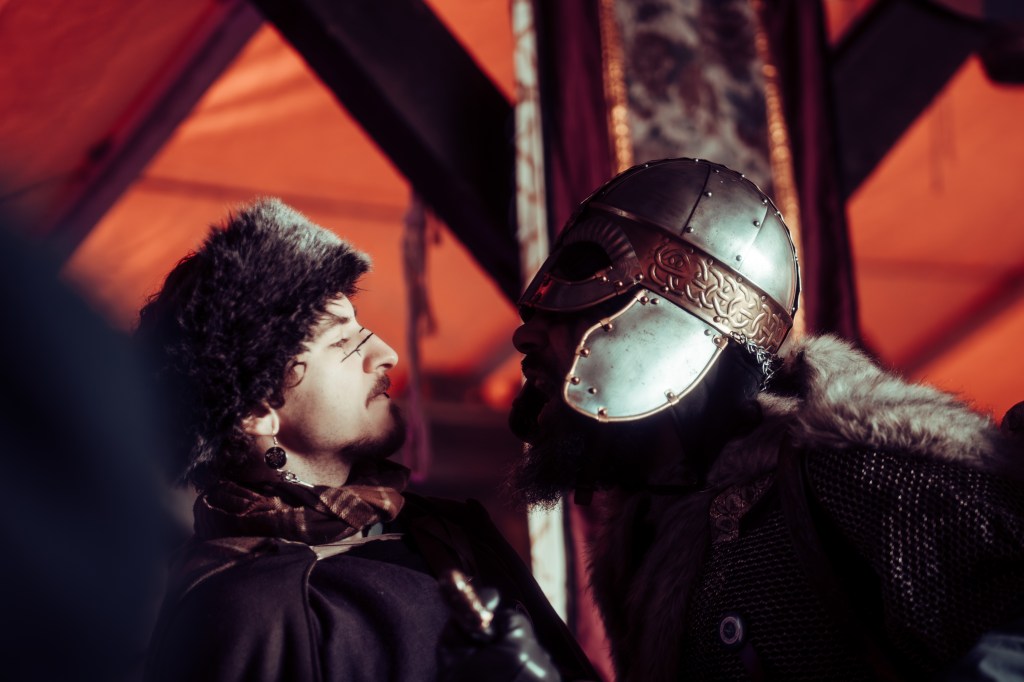
the monster attacked that eve, as usual, but Grendel found his strength did not hold when he got was surprised by his monstrous force of Beowulf’s mighty handshake. The arm wrestle was epic and horrified to the night terror, so Grendel’s mind became fixed only upon escape, retreat from the hall and his pitiful desire to scurry back home to mommy. The might of their handclasp met the force of Grendel’s footspeed, and the giant ripped off his own arm in its attempt to escape from Beowulf’s handfast and then limped to his lair within the monstermere where he found his mother.
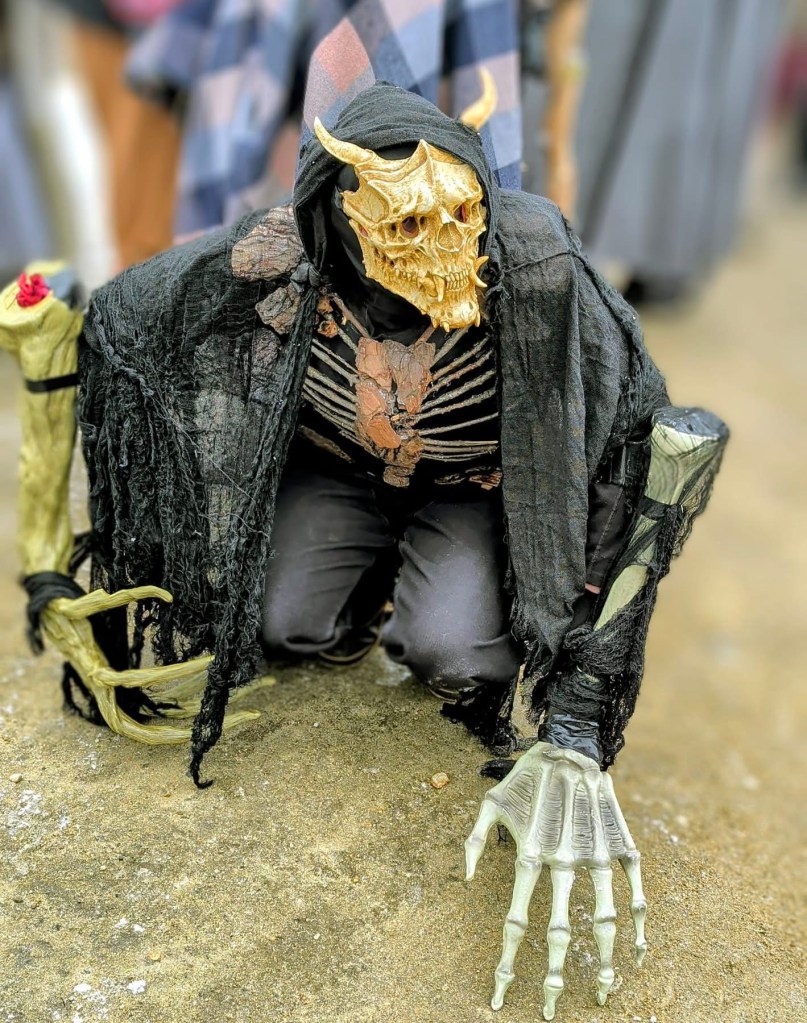
Grendel’s shoulder, hand and arm was heaved above the rafters in Heorot, and Beowulf displayed his trophy, a marvel for many pilgrims near and far to see, the monstrous spectacle hanging in Heorot. Beowulf’s victory was manifest, all knew Grendel was slain, and bards sang of his triumph, and the sad song of queen Hildeburh who survives the infighting that destroyed the Frisians and Danes, both sides of her own family.
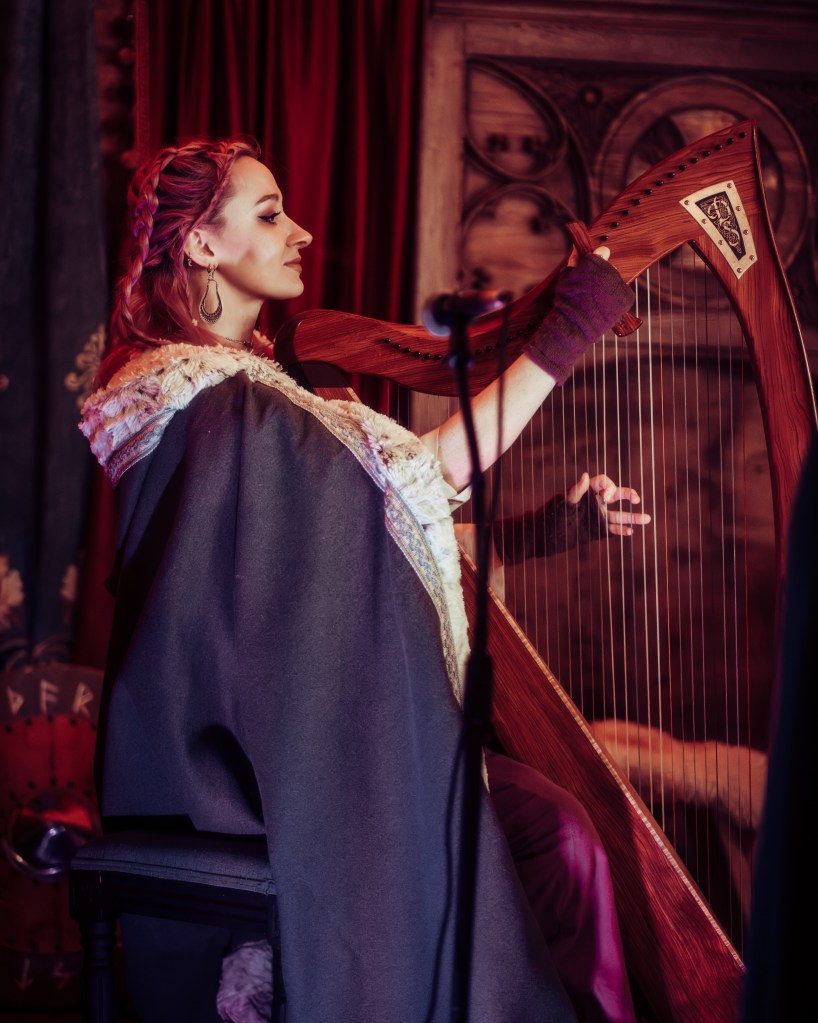
Soon Beowulf and his warriors departed for sleep in the best rooms, and then an avenger arrived at Heorot, a queen and fearsome fighter: Grendel’s mother. She came for revenge and to repay the killing of her child, her only heir and son. Grendel’s mother danced in the darkness and stalked in the shadows of Heorot until she recovered Grendel’s torn arm, and cried out into the void of night. Warriors awoke as she screamed and severed the neck of Æschere, Hrothgar’s beloved shoulder-companion. Glaring at the quivering Danes, she gripped Æschere’s head and bore it back to her home in the misty moors.
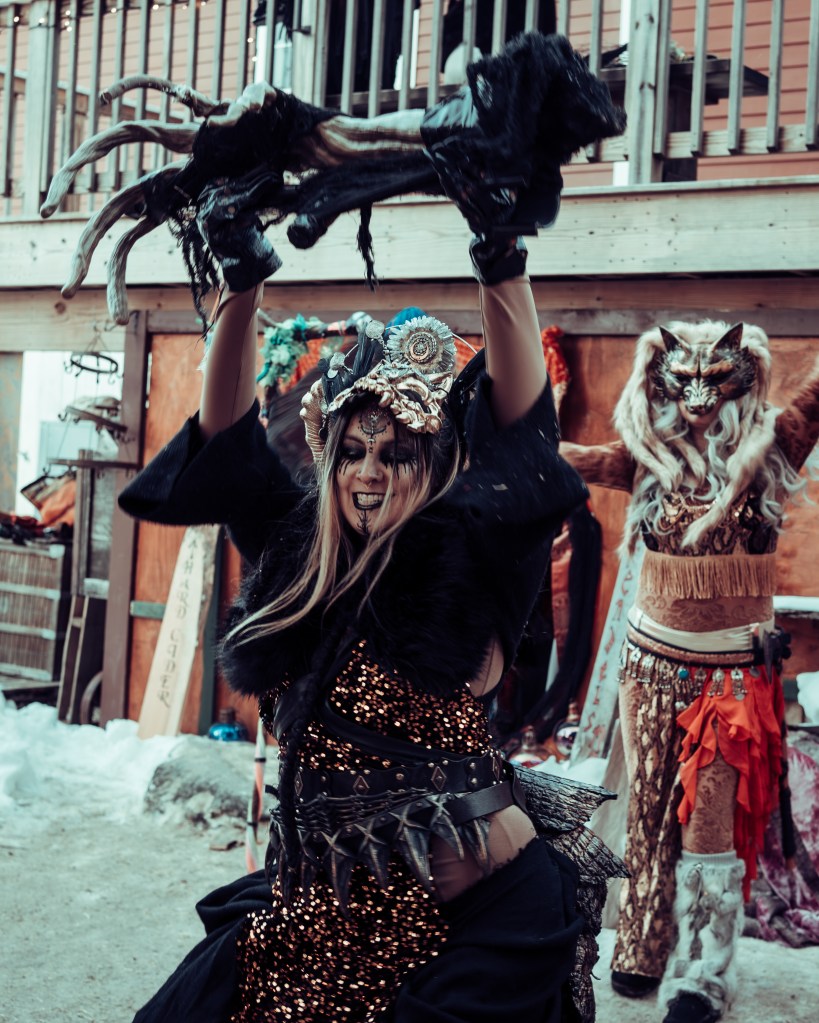
When the king returned to Heorot that morning, he saw the blood splattered meadbench, and Hrothgar mourned the death of his dear companion and brother in battle. Beowulf reminded the king of vengeance, vowed to avenge the feud, and bring wrath and ruin to the last of the Grendelkin, a terrible sea-wolf. The hero swore to seek out that monstrous mother and hunt her wherever she went. Beowulf boasted he would slay her, and end her wretched bloodline, with the mighty sword Hrunting, blade of Hunferth, advisor to Hrothgar.
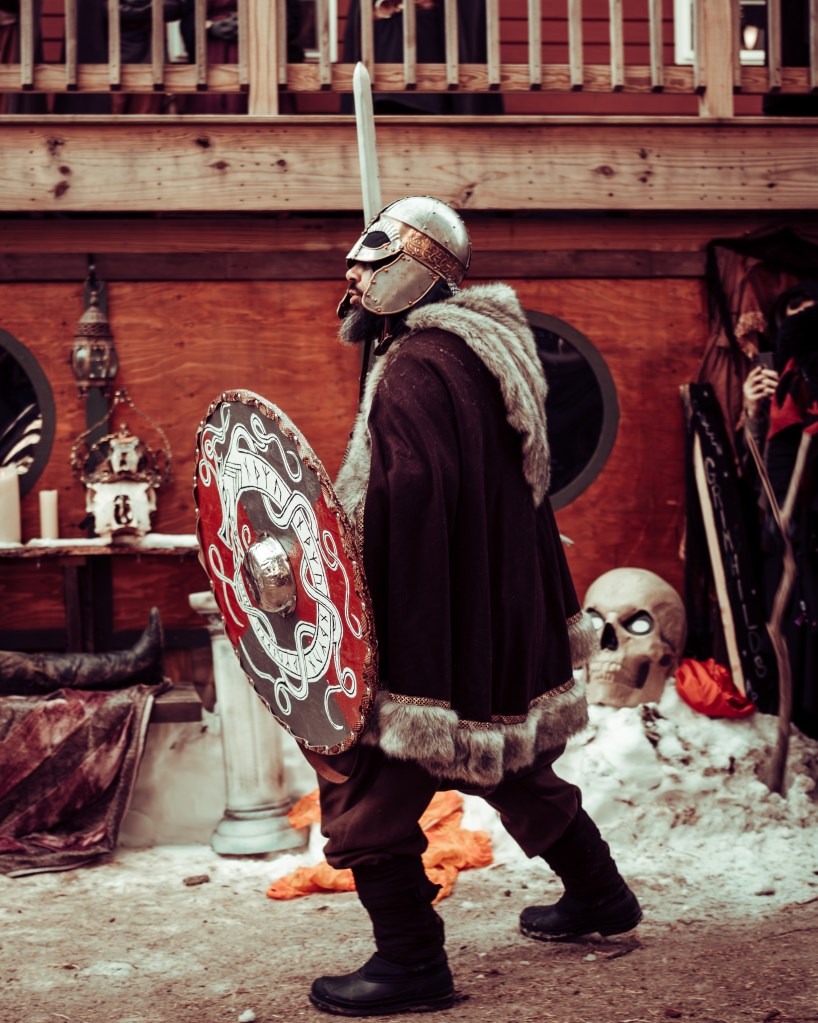
Ready for revenge, Beowulf and the warriors of both the Danes and Geats, ventured to haunted lake, where Grendel’s mother lamented the loss of her son, fatally wounded in the muddy floor of the monstermere, surrounded by their underwater hoard and monster-hall. Beowulf sliced through sea-monsters and the merfolk swimming within the swamp, protected by Weland’s work, his magic mailcoat, until he found a blade that could bite the water-witch.
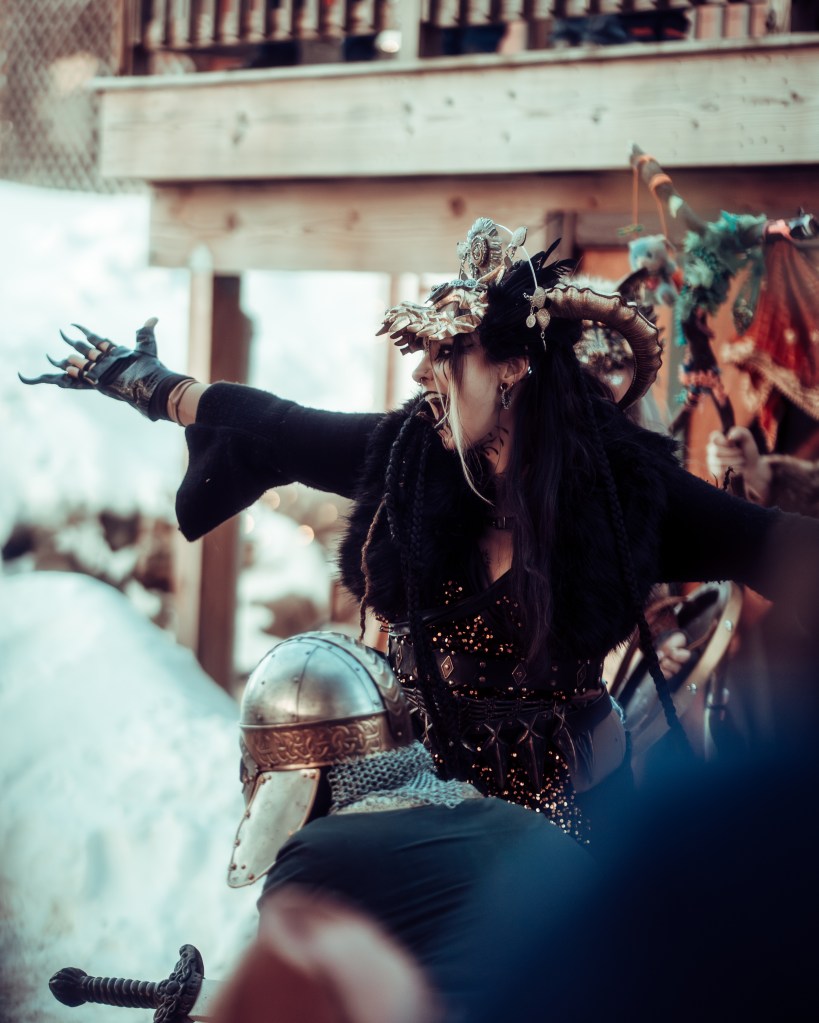
When Hrunting failed, he found a giant sword, bedecked with wondrous runes, and Beowulf decapitated the Grendelkin, son and mother both before escaping to the surface of the lake, carrying Grendel’s head triumphantly back to the Danish meadhall.
At long last, the deliverer of Denmark returned home to Geatland, burdened with hoard-worthy treasure, most famous of which was the Brosning necklace, gifted by Queen Wealhtheow, alongside many other wondrous heirlooms and arkenstones.
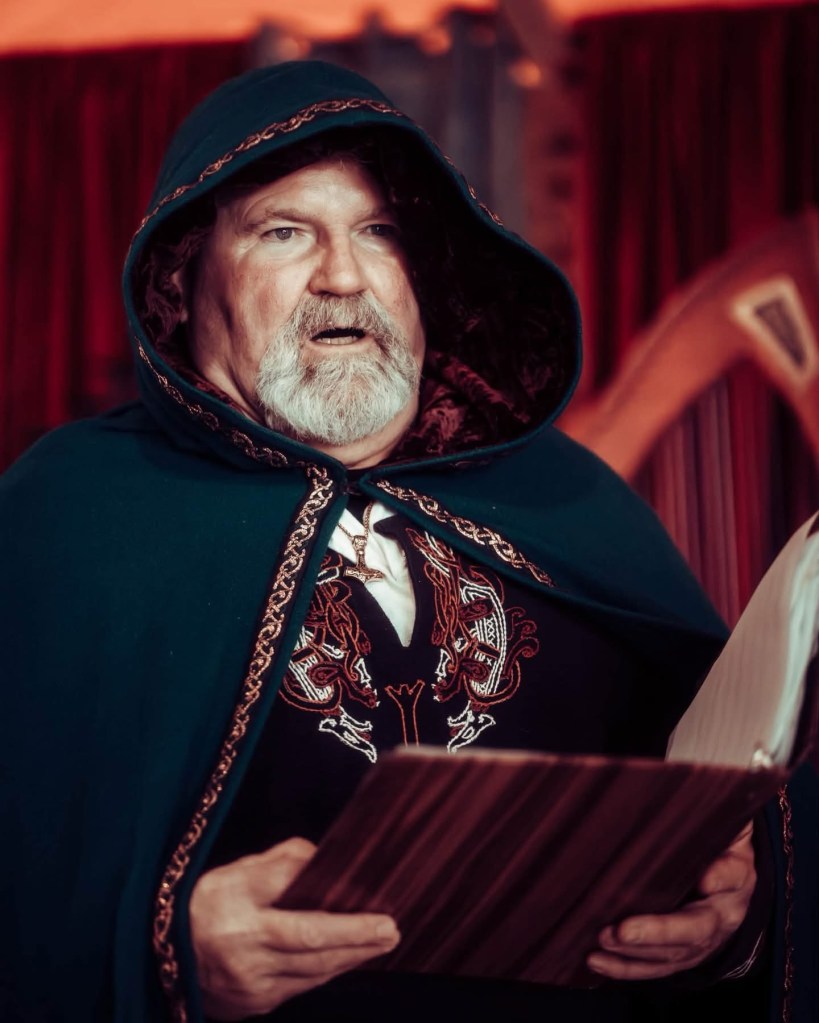
Once Beowulf reached his homeland, he claimed the Geatish throne and took the widowed Queen Hygd as his wife, after his uncle and cousin had died during feuds with the Frisians and the Swedes.
For fifty winters King Beowulf held the kingdom as the night witches haunted in the forests and trolls stalked the hills to the north. The great dragon lay coiled up its ring-hoard and slept upon the heaps of ancient treasure buried in its barrow.
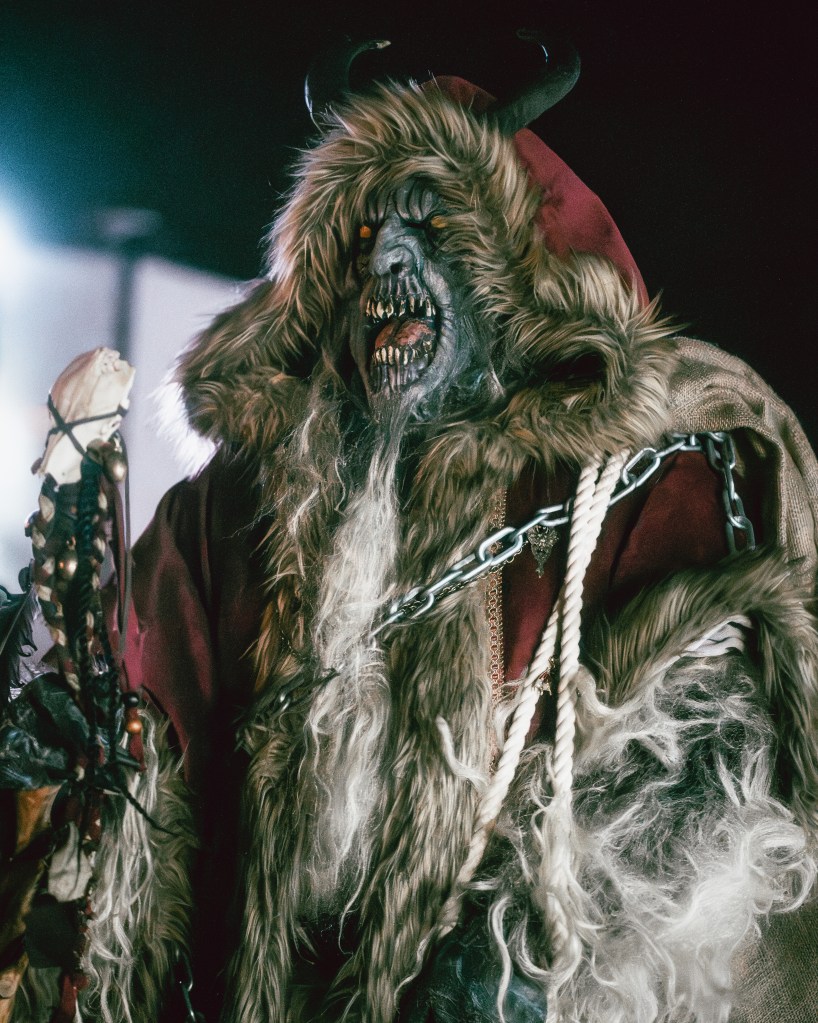
Gryla and her Yule Lads wandered the farmlands seeking naughty children and hiding from Krampus, as Baba Yaga and Befana invoked the coming of a Black Sabbath.
The wicked queens also gathered, the Snow Queen and her winter fairies, with Morrigan and Queen Grimhild, all in service of the witches sabbath.
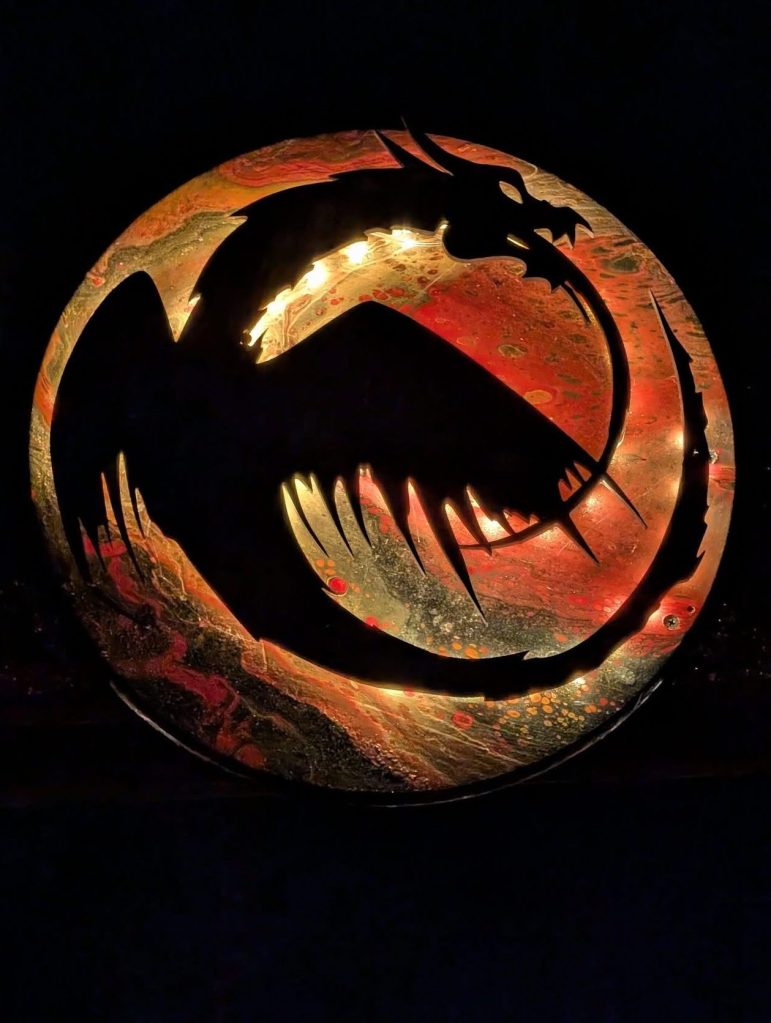
Then the Great Wyrm erupted from his den because a bold burglar took his precious cup, a golden chalice encursted with gemstones, which was delivered to mighty King Beowulf, while the fire-drake set the countryside ablaze, torching the town, the meadhall and gift-throne of the Geats. Proud King Beowulf vowed to slay the dragon, and boasted that he alone could match the monster just as he had against the Grendelkin in Denmark once long ago.
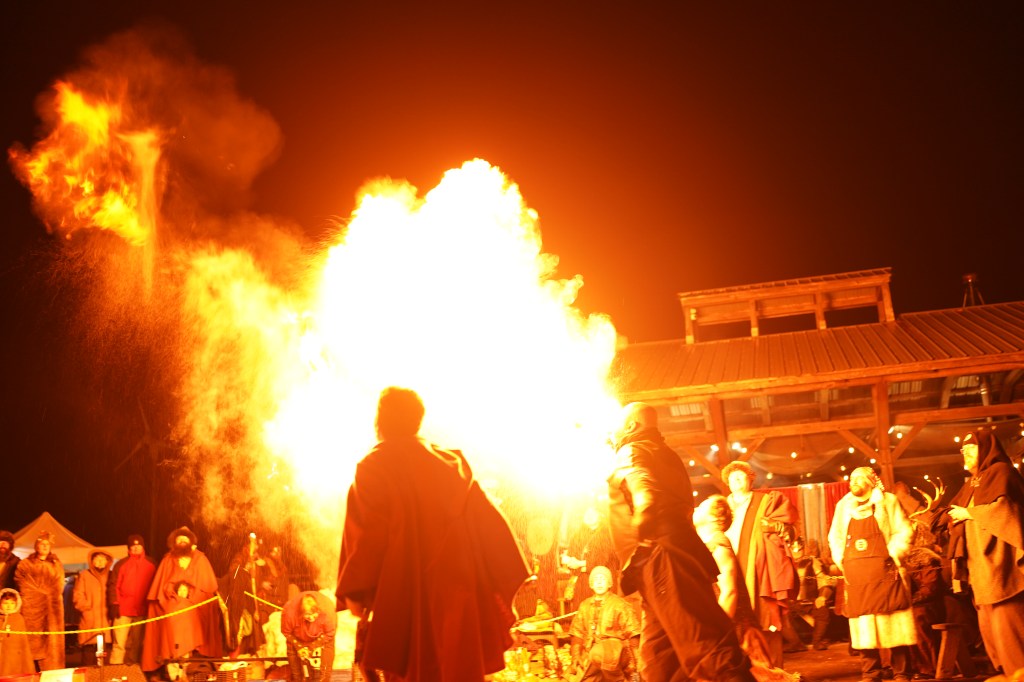
The old king went then to dragon’s barrow where fire-drake burrowed and guarded its treasure-hoard. King Beowulf taunted the the flaming terror and the air-flier approached, encasing the king in dragonfire, melting his metal shield and causing the hero to retreat in near defeat. The old king sword too hard, broke his blade upon the monster’s scales before the serpent’s fangs bit into Beowulf’s throat, pumping deadly venom throughout his tired veins.
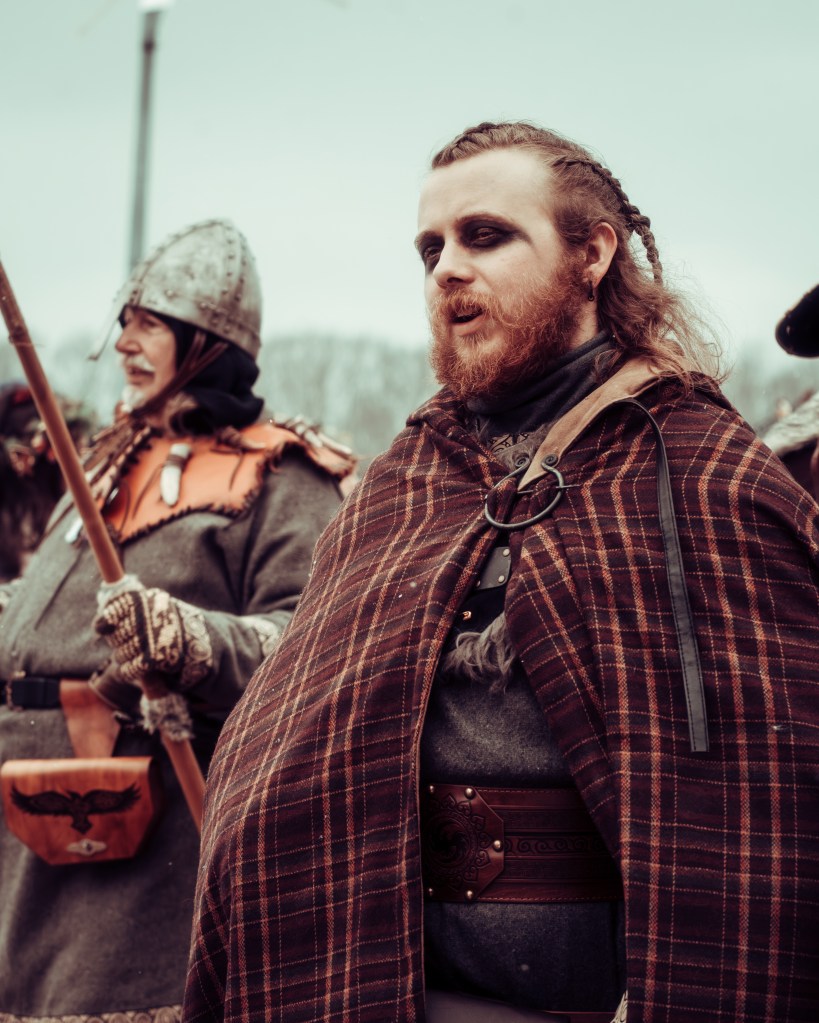
Young Wiglaf, Beowulf’s lone relative, arrived at the battle in his lord’s last hour. He struck the great Wyrm—his linden shield burnt to ash in his blackened hand—and yet, he thrust his sword at the monster. It just scratched his dragon’s skin, but drew the its attention, so the fiend coiled toward Wiglaf. At that moment, Beowulf struck the beast, cutting it down the center and hewing him in half. Valor reaped its life—Beowulf and Wiglad felled the worm together.
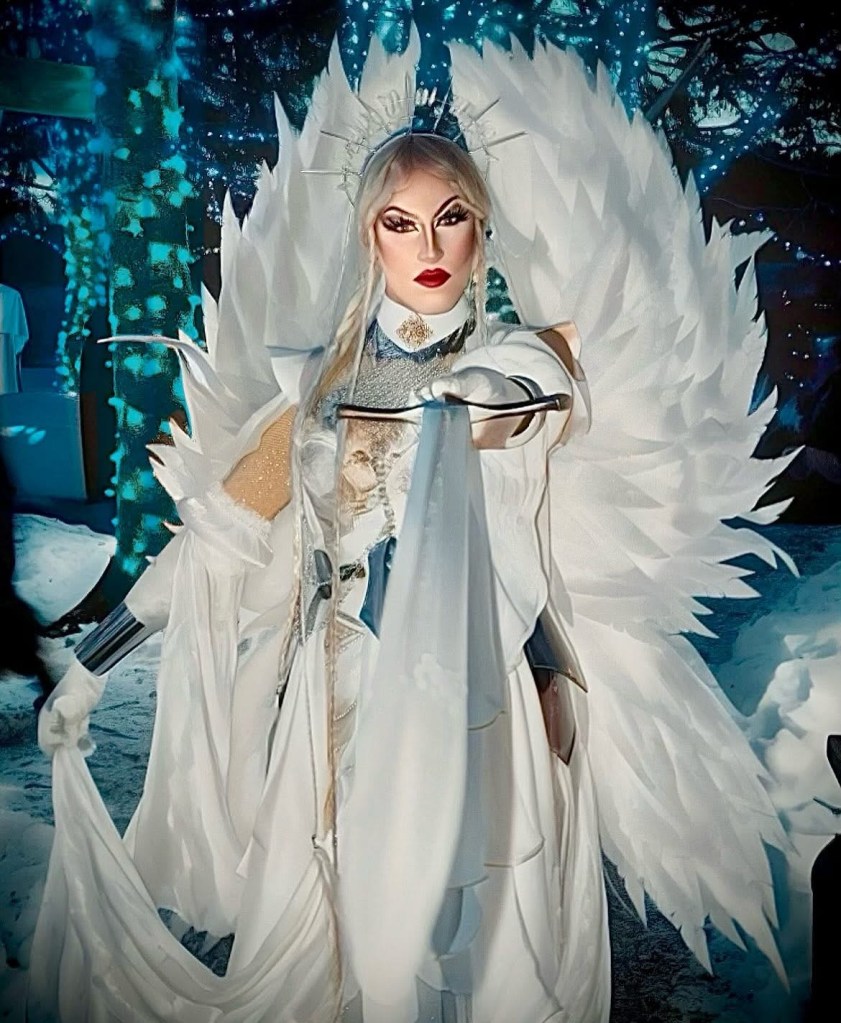
Beowulf then sought after his newly won hoard—the heaps of rings he traded for his life—as was his final wish before his death. Wiglaf carried out jeweled swords and golden cups, and the dying king surrender himself to Freya, who claimed his spirit as her own. The old gods stirred the night’s sky which swallowed Beowulf’s reek, smoke and spirit.
Now in darkness, world stops turning
Ashes where the bodies burning
No more war pigs have the power
Hammer of Thor has struck the hour
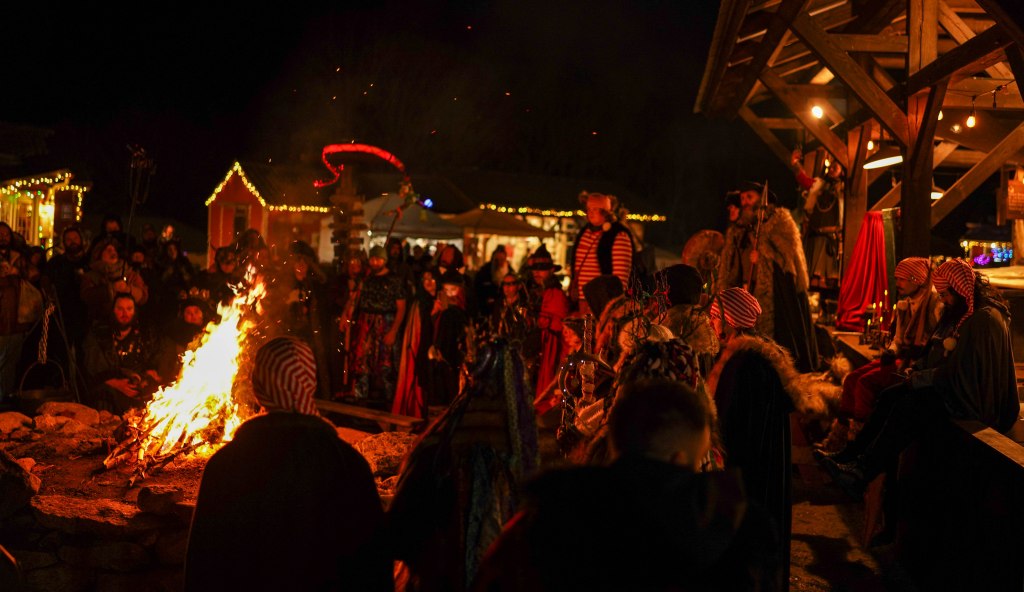
The Black Sabbath then began, and the witches rejoined—together the wove a spell of winter and heralded the advent of spring. In the darkness, night witches woven enchantments and brewed charms, to bless all in attendance and bring back the healing light and warmth of love to a tired and troubled world.
Day of judgement, gods are calling
On their knees, the war pigs crawling
Begging mercies for their sins
Valkyries laughing, spreads their wings